Our story · September 30, 2026 · 13 min read
From a surf video to i9media
The record behind i9media, from a homemade surf film to 2026. Two publications we built, the brands we took global or turned around, an industry association, a charity platform and a software company, and what each one taught us about marketing.
The context
Most agencies learn marketing by doing it for clients. We learned it by doing it for ourselves first: building audiences from nothing, in markets we cared about, with our own money on the line. The agency came later, at the request of businesses that wanted the same results for their own brands.
What follows is that record in order, with the numbers where we have them and the lesson each chapter left behind.
Before 2007 · Vernacular
The record starts earlier than the agency. At fifteen, in Brazil, Andre Niemeyer built his own computer to edit surf films of his friends. A Pinnacle video card brought their tapes onto the screen, where the cutting used to be done by hand, and the finished film went back onto VHS, with printed labels and a homemade case. He called it Vernacular, after the local lingo of five kids learning the sport together. A sequel followed, and the films became part of how the group grew as surfers.
He went on to compete, placing third in the state of Rio de Janeiro in a generation that produced world champions. Then he moved to San Diego to surf for UCSD and study philosophy. He edited the undergraduate philosophy journal, did research at what is now the Qualcomm Institute, and went straight into the philosophy PhD program at USC to work on meaning and reference.
In 2007, with his parents newly arrived in the United States and a recession closing doors, he left the program to build something that joined surf, media and technology together.
2007 · My Local Lineup
He bought an $899 laptop and a $99 couch, and for six months learned to code, run servers, design the experience and package the advertising. The surf industry in 2007 was mature, arguably at its peak, and in the middle of a digital transformation. Its media still worked like print. My Local Lineup came in as a dynamic website driven largely by user-generated content: surfers' photos, surf photographer galleries, live updates from the beaches of Southern California.
The audience found it. At its peak, My Local Lineup was the second-ranked website in the surf world by traffic, behind Surfer and ahead of Surfing Magazine. It led to My Local Lineup TV, a local cable show on the surf scene and the mix of surf, art and music around it, airing nine times a week in prime time and at weekends.
- #2
- Surf website in the world by traffic
- 9
- Airings a week of My Local Lineup TV
At its peak · behind Surfer, ahead of Surfing Magazine
Prime time and weekends
2010 · Supconnect
Supconnect followed a different track for a different audience. Stand-up paddling was just coming out of Hawaii to California, and Supconnect was one of the first five websites dedicated to the sport. It grew with the sport, tracking its spread from a few beaches to a global industry, and it remains one of the leading stand-up paddling websites in the world.
Supconnect TV ran as a stand-up paddling series within My Local Lineup TV, and Supconnect's awards ceremonies at Surf Expo in Florida set attendance records. The Supconnect case study has the numbers behind its audience today.
2011 · i9media
Businesses in both industries started asking for the same results. In 2011 i9media was founded in San Diego to deliver them, with a simple model we still use: one team, accountable for the whole of a brand's marketing, measured by what it does for the business.
AAAA Auto Storage & Car Park · a family business, turned around
Andre met Ron Greene at the Coalition of Surfing Clubs contests in Southern California. Ron was one of the best longboarders in the senior divisions anywhere, with measured, elegant cross-steps on a wave. On the beach he always carried a Canon with a 300mm f/2.8 lens, and he had the biggest smile on the sand.
Ron is a Pacific Beach native and the second generation to run AAAA Auto Storage & Car Park, which his father founded in San Diego in 1968; Ron worked alongside him for years. Its core service was car storage for the military, alongside students, collectors and anyone between homes. As pay-per-click, search engine optimization and search marketing took hold, new competitors used them to take market share. Ron hired several agencies. They arrived with thick printed reports and no business results.
He had watched what Andre was building with My Local Lineup, and asked him to take a look. The diagnosis was plain: a custom website far behind the rich-media sites competitors had launched, and agency reports with many pages and little in them. We built a new website, launched pay-per-click and social media, optimized the call flow, and started measuring organic search placement, supported by content and by listings on Yelp and later Google.
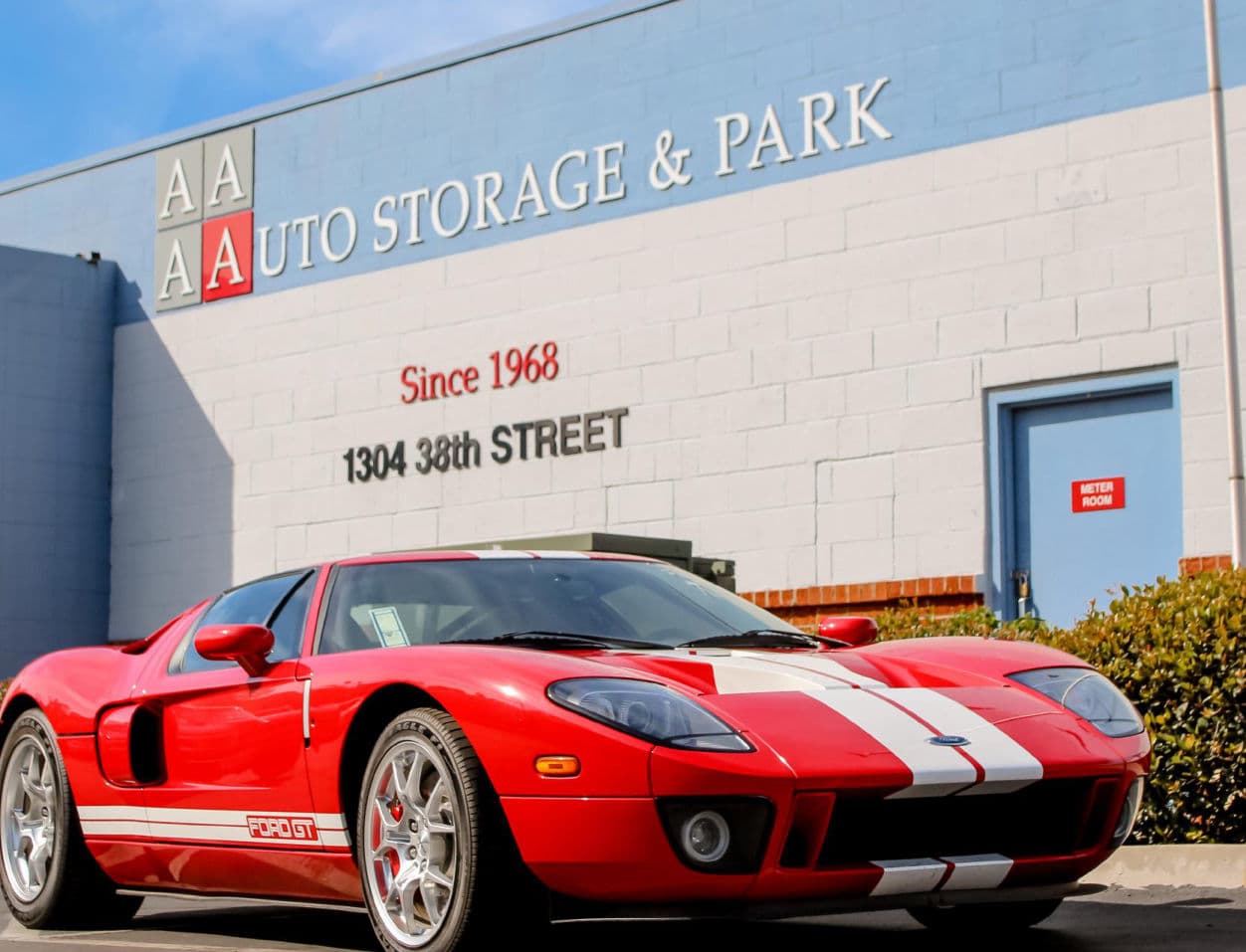

The trend reversed. Within the first year AAAA moved ahead of both of its main competitors on Alexa's traffic rank, with eighteen times as many pages indexed by search engines. Market share stopped falling, then came back. Better execution met the advantages the business already had, its own real estate and competitive pricing, and AAAA began capturing the demand that had been slipping away. The competitors that had been taking share are no longer in business. By 2020 the website was the source of about 60% of the business's incoming calls, and calls were still up 13% on the year.
- 15x
- Website traffic
- #1
- National organic rank on several industry keywords
- +26%
- Website visits a year
Over the engagement · on the pre-engagement site
Today · from the bottom of search
Recent years · still growing
“Andre and his team at i9media made that possible and very rapidly so. Our business has increased in volumes. There are times that we actually have to turn business away.”
Today the third generation helps Ron run the business, and it supports their families. The Greens call Andre the third son of the family. Andre calls Ron his American father: the friend who took a chance on him first. The AAAA case study has the full account.
2007 to 2021 · Rusty Surfboards
Rusty Surfboards first came to us in 2007, as an advertiser on My Local Lineup, and later signed us as its agency. The timing was delicate. The Rusty brand had just been split in two: the clothing business was sold to a group led by its Australian distributor, and the surfboards stayed with the founder, Rusty Preisendorfer. Clothing held the digital assets, and it was reluctant to let them go.
Surfboards had a business to run, so we made the case for it, in meetings in Orange County and on international calls with Australia: the website address, the Facebook page, and later Instagram and TikTok. The surfboard business had only a rudimentary website with no e-commerce, and no social account of its own. The one account that carried its name was still owned by the clothing side. We claimed the "rustysurfboards" handle back for the surfboard business and built its infrastructure from there, starting with a brand website.
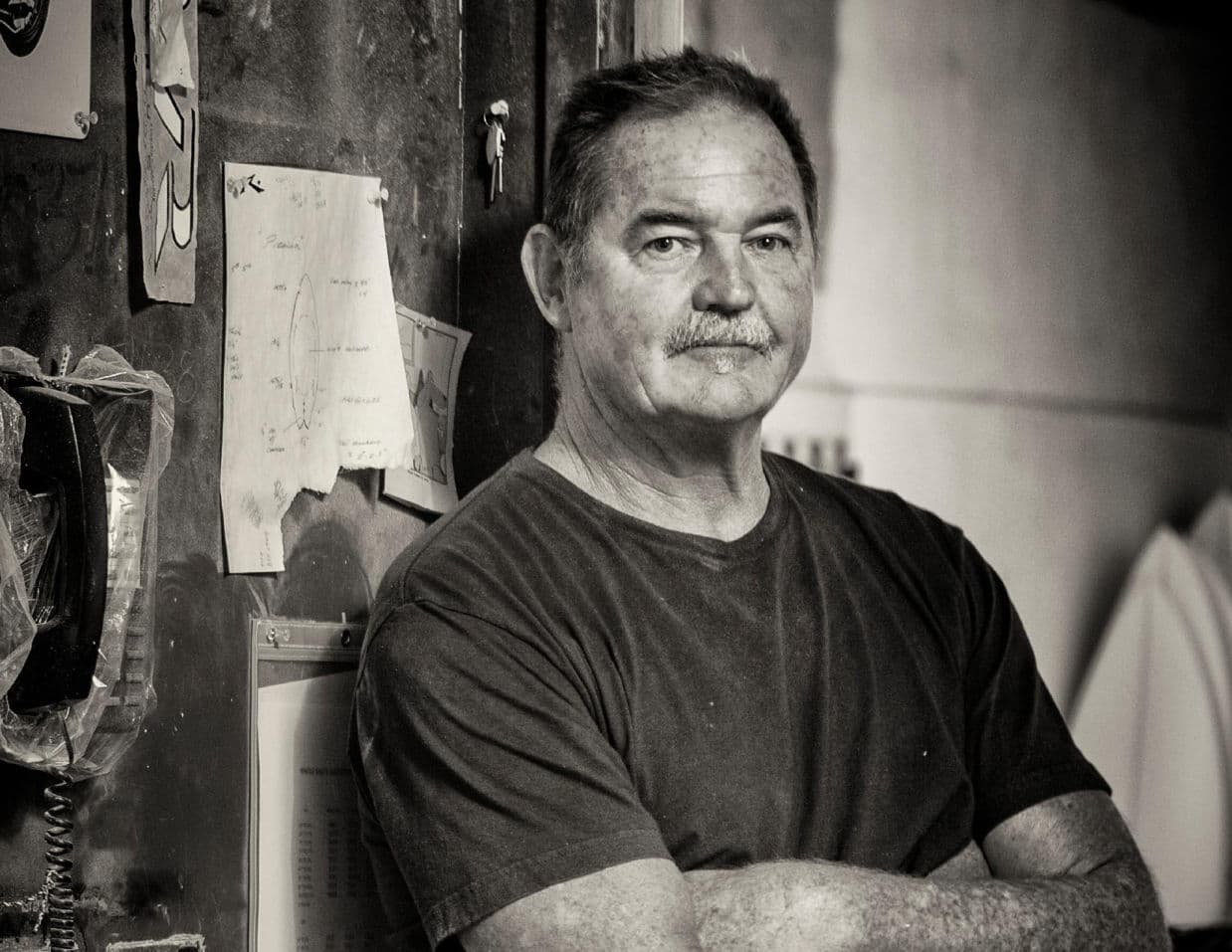
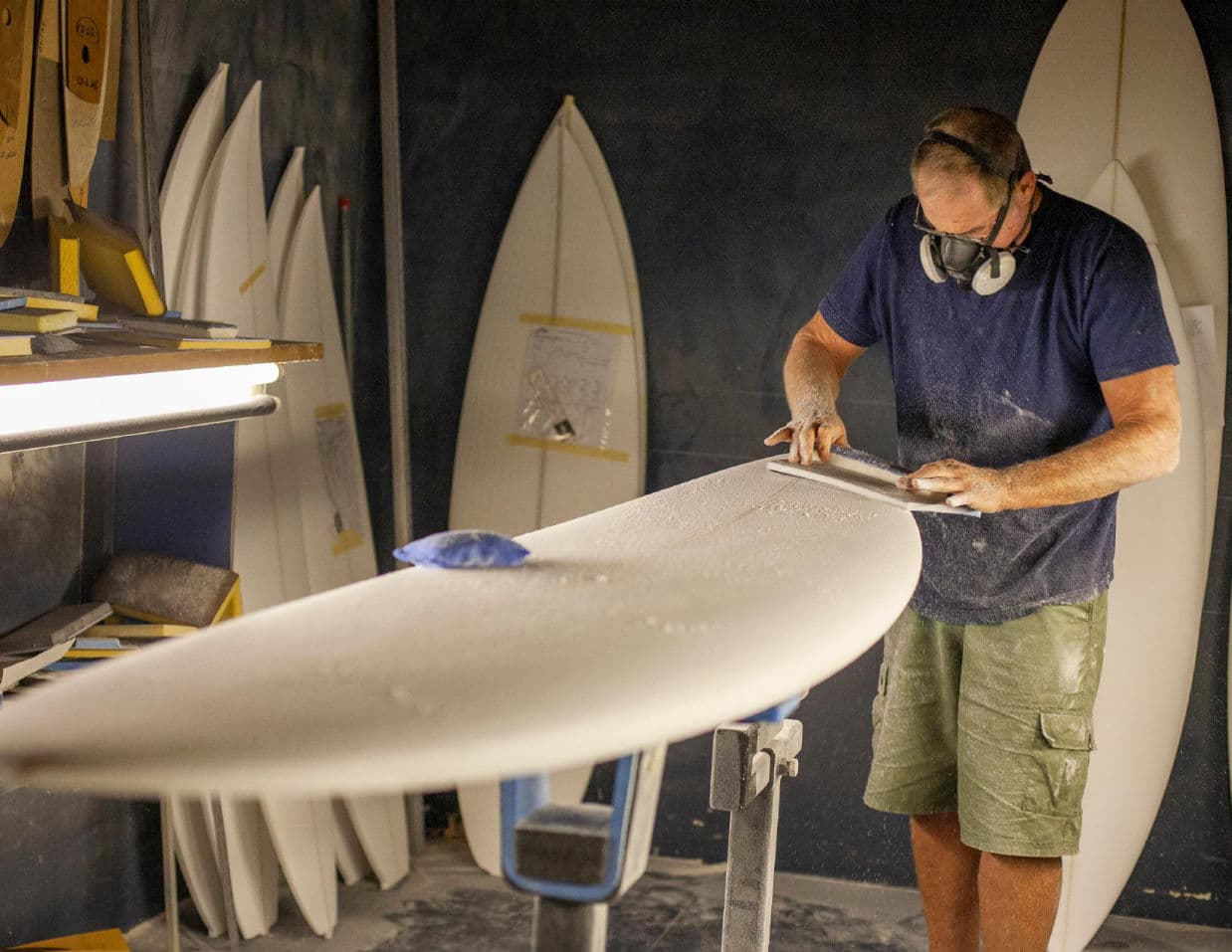
The audience grew quickly. Website visits rose 41% in 2014, the first full year on the new footing. By July 2016 @rustysurfboards was the largest Instagram account in the Rusty group, ahead of both Rusty Australia and Rusty America. Across every channel, the following has grown more than 280-fold since we took over the Facebook page.
We argued for e-commerce from the start, and the founder agreed. The store opened in August 2015. Over the course of the partnership we built several websites and produced the brand's photography and video. By 2021, direct-to-consumer e-commerce on the platforms we built and ran accounted for 90% of the business's revenue.
- 90%
- Of revenue from e-commerce
- 280x
- Social following, and more
- +41%
- Website visits
By 2021 · from no store before August 2015
Today · on the Facebook page we took over
2014 · first full year, on 2013
Rusty Preisendorfer invited Andre to invest and become one of the brand's owners, and Andre served two terms on its board of directors. He was also offered the presidency of the company, and declined, to keep running the agency. The Rusty Surfboards case study has the full account.
“The i9media team brings a personal level of commitment to the company, where they are always going above and beyond, quickly responding to our needs and never failing to deliver. I strongly recommend the i9media team having worked with them for over 10 years.”
2013 · SIC Maui, from a backyard brand to a global one
SIC Maui was a stand-up paddleboard maker on the island of Maui when Flow Sports acquired it from its founder. It came to us first as a Supconnect sponsor. In November 2013, Flow Sports brought us in as its marketing agency to take the brand global.
The starting point was thin: a small online store and a modest social following. Against 2013, e-commerce sales grew 507% by 2015, a sixfold increase in two years. By 2016 annual website visits had more than doubled (up 129%), and the social community had grown sevenfold. Behind those numbers sat a team of riders, races and events, and a brand story told the same way in every market.
- +507%
- E-commerce sales
- +129%
- Annual website visits
- 7x
- Social community
2015 · on 2013, before we started
2016 · on 2013
2016 · on 2013
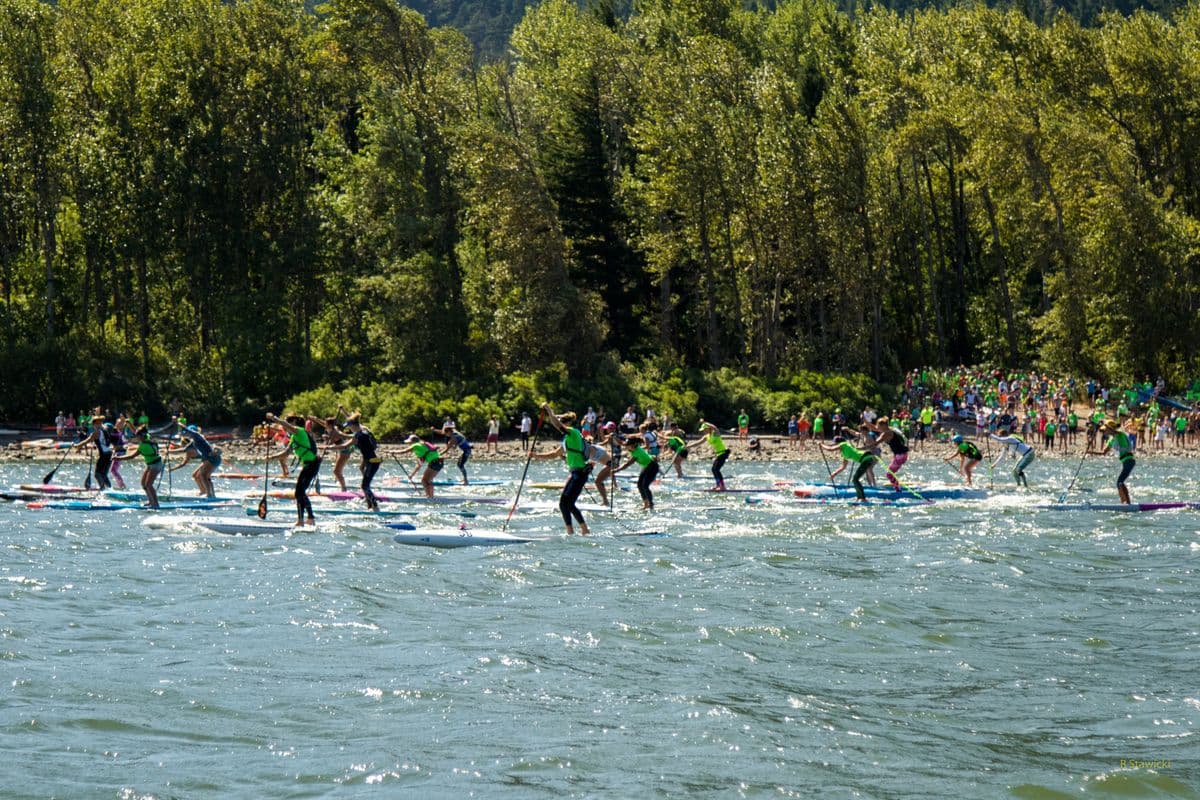
Flow Sports later sold SIC Maui to BIC Sport, the sports division of the BIC group. A local brand, built into a global brand, acquired by a global brand.
2013 · Flow Snowboards
Flow Sports also owned Flow Snowboards, and the same month the snowboard brand brought us in for a turnaround. The context was hard. Years of drought on the West Coast of the United States had softened demand. Visits to flow.com had fallen every season since 2009–10, down by a quarter by 2013–14. That season, e-commerce sales fell 5.8%.
We set up the team in the first season and ran the brand's digital marketing in the second, on its existing website. In the third, 2015–16, we ran everything: a new website and e-commerce platform, content and advertising. The results, season on season:
−5.8%
2013–14
Setup
+8.9%
2014–15
Marketing, existing site
+24.1%
2015–16
Full scope, new site
- +2.8%
- Website visits
- −82%
- Web and IT costs
- +169%
- Social community
2015–16 · first rise since 2009
2015–16 · on 2013–14
2015–16 · on 2012–13
The higher sales and the lower costs together added annual cash flow equal to more than three-quarters of the store's revenue in 2013–14. On Alexa's traffic rank, flow.com held second place among snowboard brands from 2014 to 2016, behind only Burton, a position it had never held before.
2013 to 2016 · The Stand Up Paddle Industry Association
As the sport grew, so did the need for an industry voice. Andre helped found SUPIA and served as its founding president and chair of the board for three years, bringing more than 600 members, retailers, brands, athletes and ambassadors, under one roof, with industry reports, summits and sponsorship from Surf Expo and brands across the industry. It is part of our giving.
2017 and 2021 · Litra and Lumenlabs
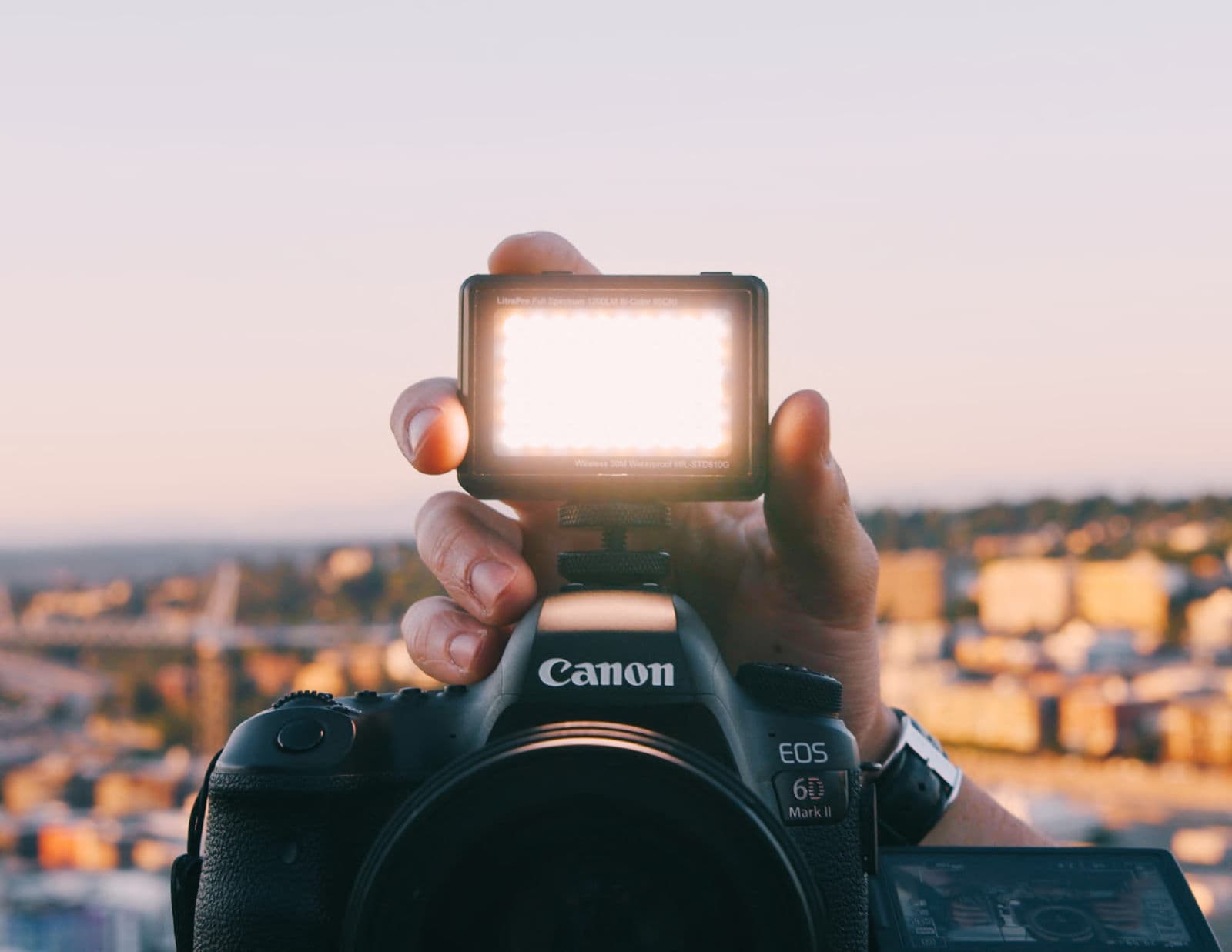
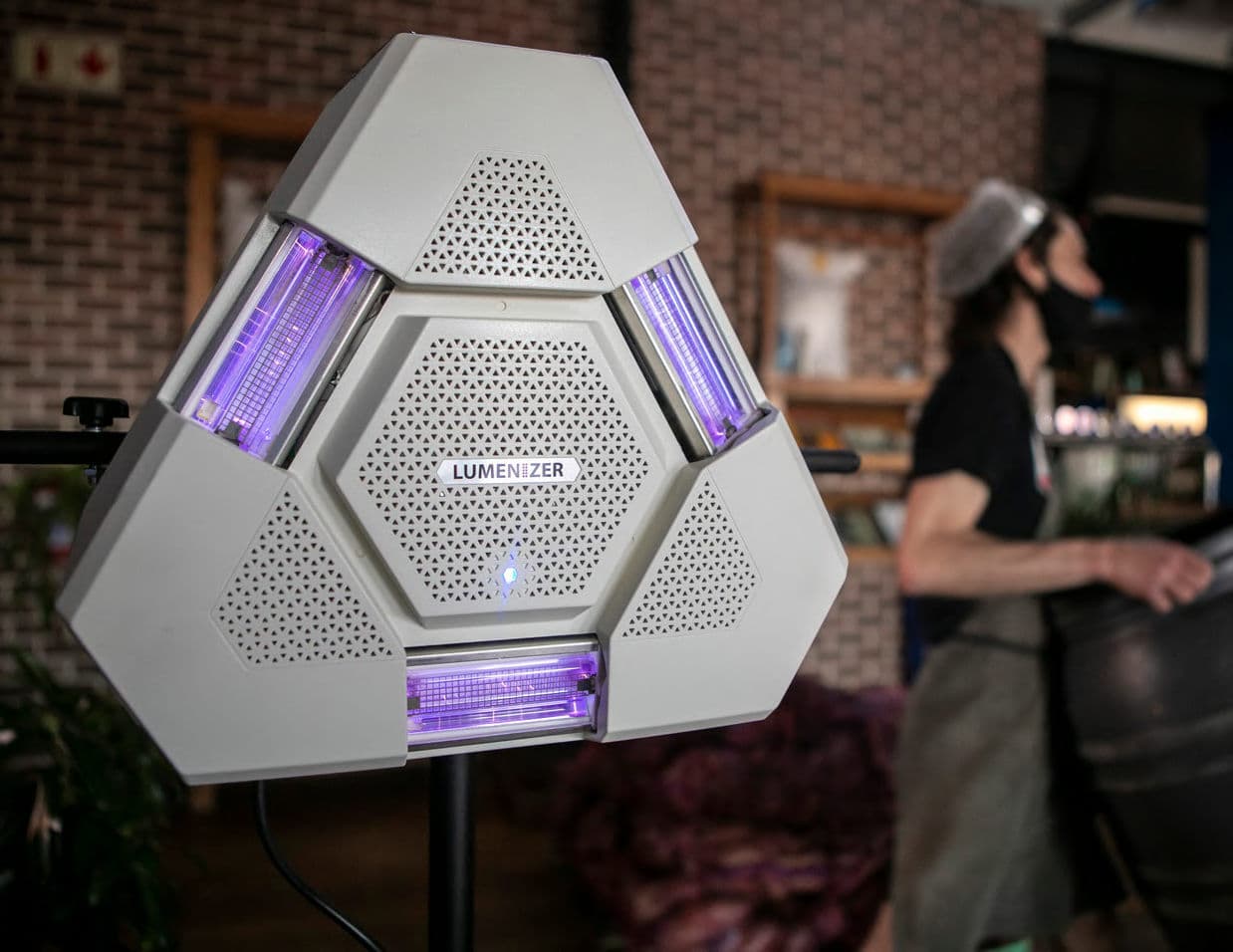
Two startups, one team, two acquisitions: Litra by Logitech and Lumenlabs by R-Zero. We worked with both from their first product to their exit, as their agency of record. The full account is in Two startups, two acquisitions.
2024 · Compete for Causes
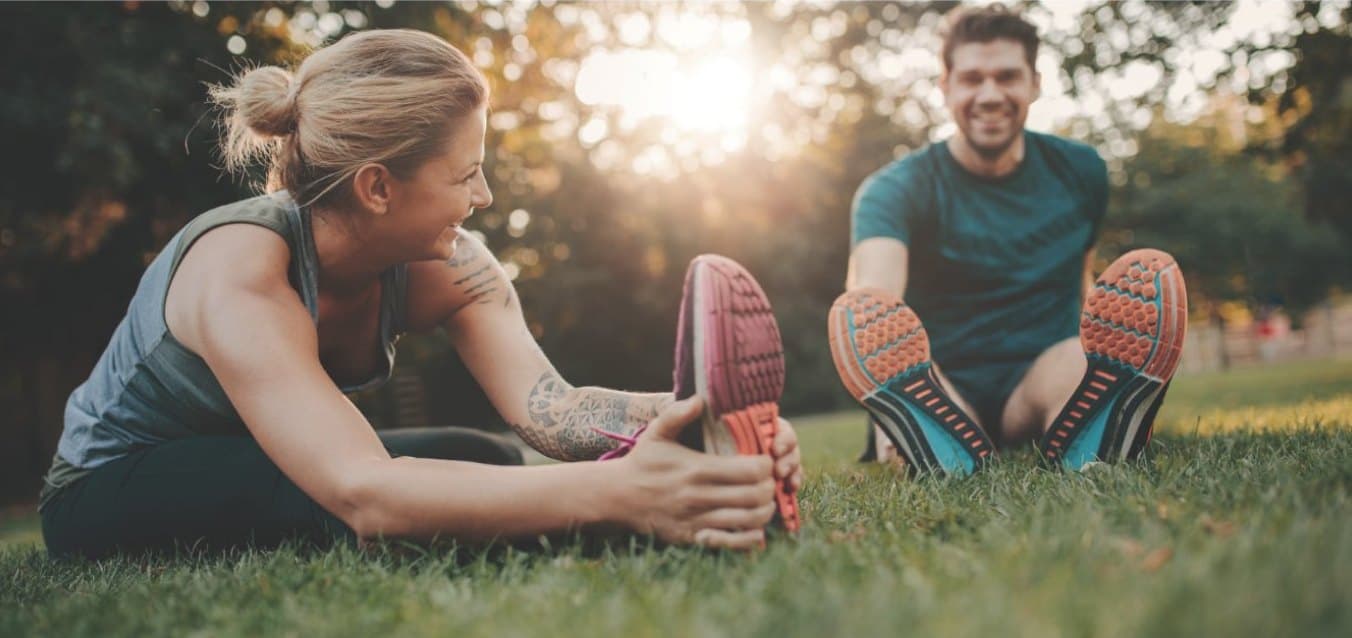
Compete for Causes is a charity platform where people set fundraising challenges around their own health goals. Andre is one of its co-founders: we developed the product into an iOS app and built its brand identity and creative. The work is logged in our giving record.
2026 · LaneLift
Nineteen years of setting up lead generation for small and mid-sized businesses showed us where those systems fail: leads lost between the form and the follow-up, data spread across tools that never talk to each other. Those pain points led us to build LaneLift, a lead-intake and business-insights platform for small businesses, now in its early stages with its first design partners.
We adopt new tools the way we always have, since the first video card: when they compress a month of work into an hour, and only in service of the partner. What the partner should notice is the result, not the tool.
The principle
Every chapter here started the same way: understanding a market well enough to see what it was missing, then building the audience, the brand or the system that filled the gap. That is the work we still do for partners, mapped stage by stage on the IACRA map.
- Tagged
- #OurStory
- #MediaPublishing
- #BrandBuilding