Performance marketing · September 28, 2026 · 7 min read
Introduce, assist, convert, retain, advocate
How we map a customer journey before we spend on any single channel, and what the map changed for a solo-operated resort whose direct bookings had fallen 29% in a year.
The context
Most marketing problems arrive framed as a channel problem. The ads are not working. The website does not convert. Nobody opens the newsletter. Each of those may be true, and each is usually a symptom of the same thing: the channels were built one at a time, by different people, without a shared picture of how a stranger becomes a customer and a customer becomes an advocate.
Before we recommend spending on any single channel, we draw that picture. We call it an IACRA map, for the five stages every customer passes through: introduction, assistance, conversion, retention and advocacy.
- 01 · IntroductionSearch, ads, listings, referrals
- 02 · AssistanceLanding page, chat, nurture
- 03 · ConversionForm, booking, follow-up
- 04 · RetentionEmail, SMS, retargeting
- 05 · AdvocacyReviews, testimonials, referral
The five stages
Introduction is how someone first finds you. Search, paid ads, local listings, social media, public relations, referrals, affiliates and shopping feeds all live here. The question for this stage is not "which channel is cheapest" but "where does our customer already look".
Assistance is everything that helps a curious visitor decide. A landing page that answers the obvious questions, live chat, a pop-up with a reason to leave an email, a downloadable guide, and the nurture series by email and text that follow. Most journeys break here, because introduction gets the budget and assistance gets whatever is left.
Conversion is the moment of commitment: the form, the booking, the purchase, the call. It includes what happens in the minutes after, the thank-you page, the confirmation email and, for a high-value decision, a personal follow-up from a human being.
Retention keeps the relationship alive after the first transaction. Email automations, text messages, newsletters, retargeting on search and social, and a short customer survey that tells you what to fix.
Advocacy turns satisfied customers into your most credible channel. Reviews gathered deliberately rather than hoped for, testimonials placed where undecided visitors will see them, and a referral email that gives a customer a reason to invite a friend.
Under all five sits the infrastructure: analytics, search console, the CRM, the product or booking catalogue, the review platform, the phone line and the chat. If these do not talk to each other, you cannot see the journey, only its pieces.
The evidence
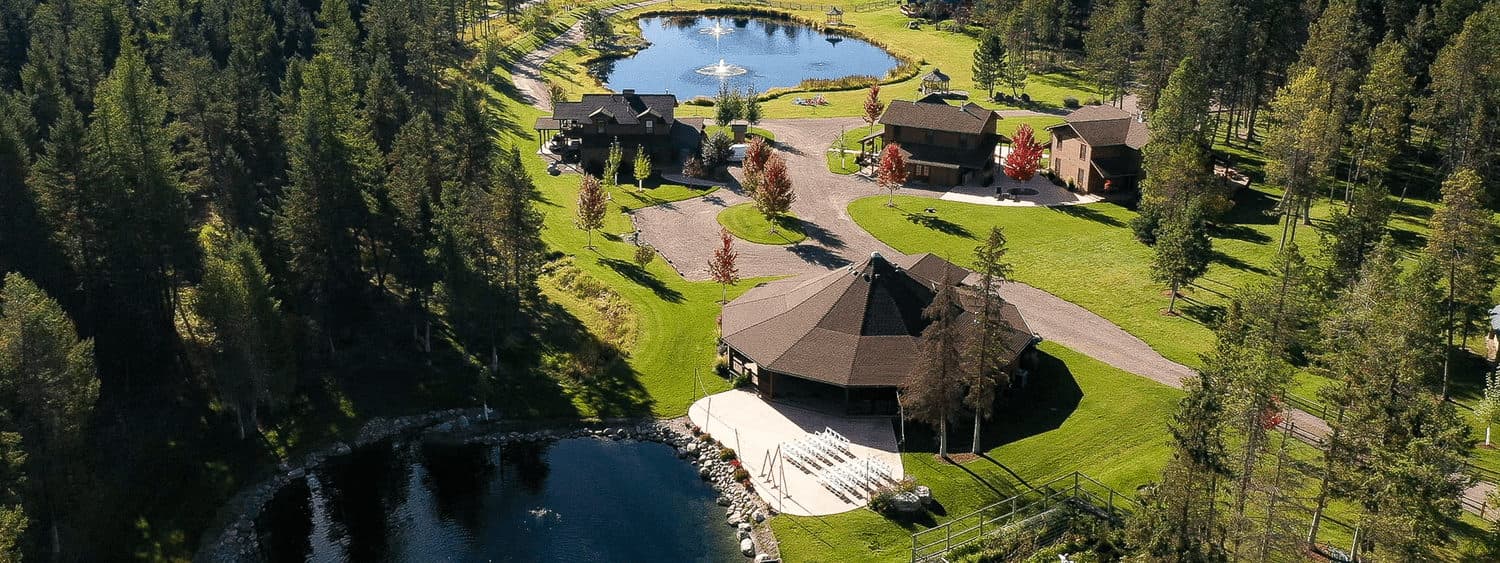
Haymoon Resort, in Whitefish, Montana, is run by a single owner. When we began, direct bookings had dropped nearly 29% year over year. Lead capture was limited, the branding was inconsistent, the advertising infrastructure was minimal and the analytics were siloed. There was no shortage of effort, only a shortage of structure.
We mapped the journey first. At the introduction stage, the resort needed to be found by people already searching for a stay in the area, so we built a yearly search strategy, on-page and technical SEO, and a Google Ads account from the ground up. Organic search traffic grew 86% in the first year, and a further 14.5% the year after.
At the assistance stage, visitors had nowhere to go but the booking engine. We redesigned the homepage around a clearer booking flow, added live chat, and put pop-ups, forms and targeted ads to work capturing interest from people not ready to book. That produced more than 800 leads at a 2.23% conversion rate over the engagement.
Retention was where the owner's time was most precious, so it had to run on its own. The email list moved to a new platform and grew from about 300 subscribers to more than 1,300. A text-message program went from zero to more than 500 subscribers in about eighteen months. Automated flows reached a 40% open rate.
Finally, the booking, advertising and email systems were connected, so every booking could be traced back to where it began.
The result, measured against the pre-engagement baseline: e-commerce revenue from direct bookings rebounded 15.9% in the first year and grew a further 3.9% in the second, a lift of more than 20%, without an aggressive expansion in paid acquisition.
The principle
The resort did not need more of any one thing. It needed each stage of the journey to hand the customer to the next. Search found the visitor; the site and chat helped them decide; the booking flow converted them; email and text brought them back; and the connected data showed which of those steps deserved the next dollar.
That is the value of mapping the journey before buying media. It turns a list of channels into a system, it shows where the leaks are, and it makes budget decisions a matter of evidence rather than preference.
What to do next
Draw your own map. Take a sheet of paper, write the five stages across the top, and list every touchpoint you have today under the stage it serves. Then look for the empty columns. For most businesses, assistance and advocacy are the thinnest, and they are also the least expensive to fill.
When you are ready to turn the map into a plan, with the budget, the infrastructure and the order of work, that is where we come in.
- Tagged
- #CustomerJourney
- #LeadGeneration
- #EmailMarketing